
Six routes for six different outage plans
The best home backup power system is the one that can start your actual loads, supply the required 120V and 240V circuits, store or produce enough energy for the outage, transfer safely, and recover before the next night. This guide compares six current solutions across installed batteries, modular power stations, and automatic standby generation.

Tesla Powerwall 3 is the strongest mainstream battery choice, but the right architecture depends on the outage
Powerwall 3 combines 13.5 kWh of storage, up to 11.5 kW of continuous output, strong motor-start capability, integrated solar support, and automatic home backup in an established installer-led system. EcoFlow OCEAN Pro is the more ambitious option for very high demand. DELTA Pro Ultra X offers a flexible modular route. Generac Guardian remains the practical fuel-based choice when long runtime matters more than quiet, emissions-free operation. Anker F3800 Plus and BLUETTI Apex 300 make more sense when essential circuits, mobility, and staged expansion matter.
Best home backup power systems at a glance
These are scenario winners rather than six interchangeable products in a simple ranking. A solar-equipped home that experiences short evening outages should not be designed like a rural property with a well pump and multiday winter failures. Start with the closest use case, then verify the exact configuration with your load list and installer.

Strong single-unit output, 13.5 kWh storage, solar integration, and an established automatic backup architecture.
Read full guide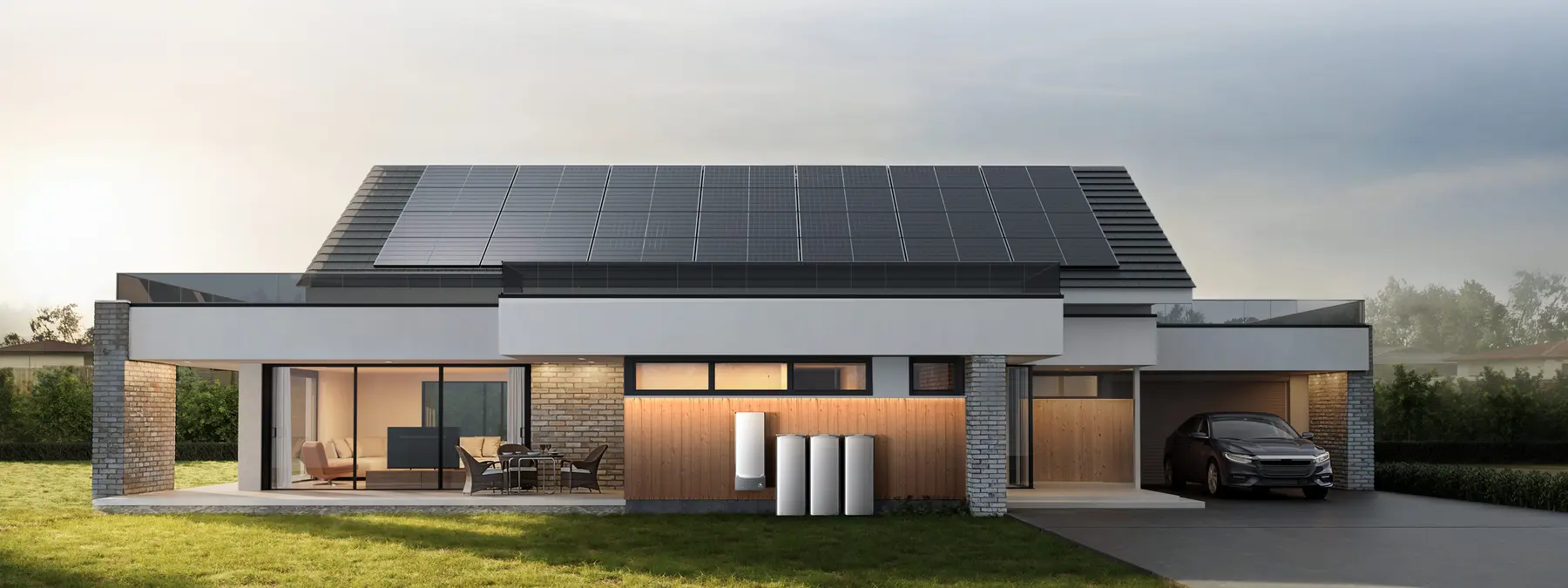
High published output, 10 to 80 kWh storage, broad solar input, and generator-supported recovery.
Explore EcoFlow home systems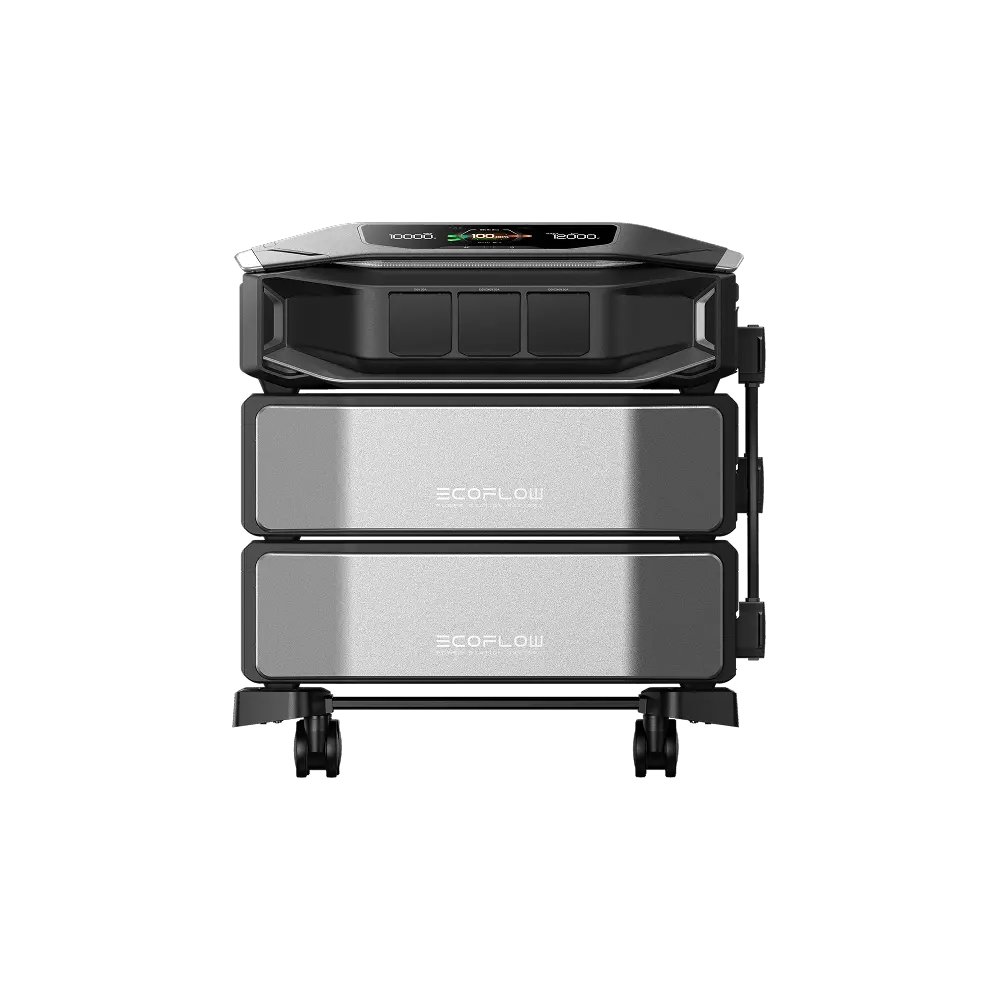
A 12.288 kWh standard package with 12 kW split-phase output and major capacity expansion.
Read full guide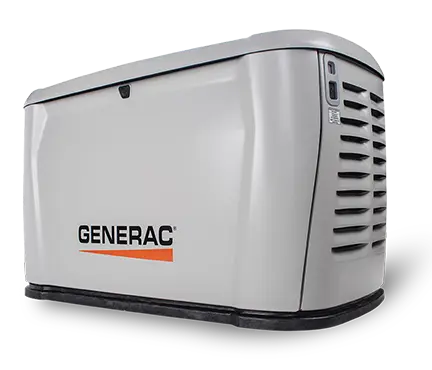
Automatic high-output standby generation for homes with a suitable natural-gas or propane plan.
Explore Generac systems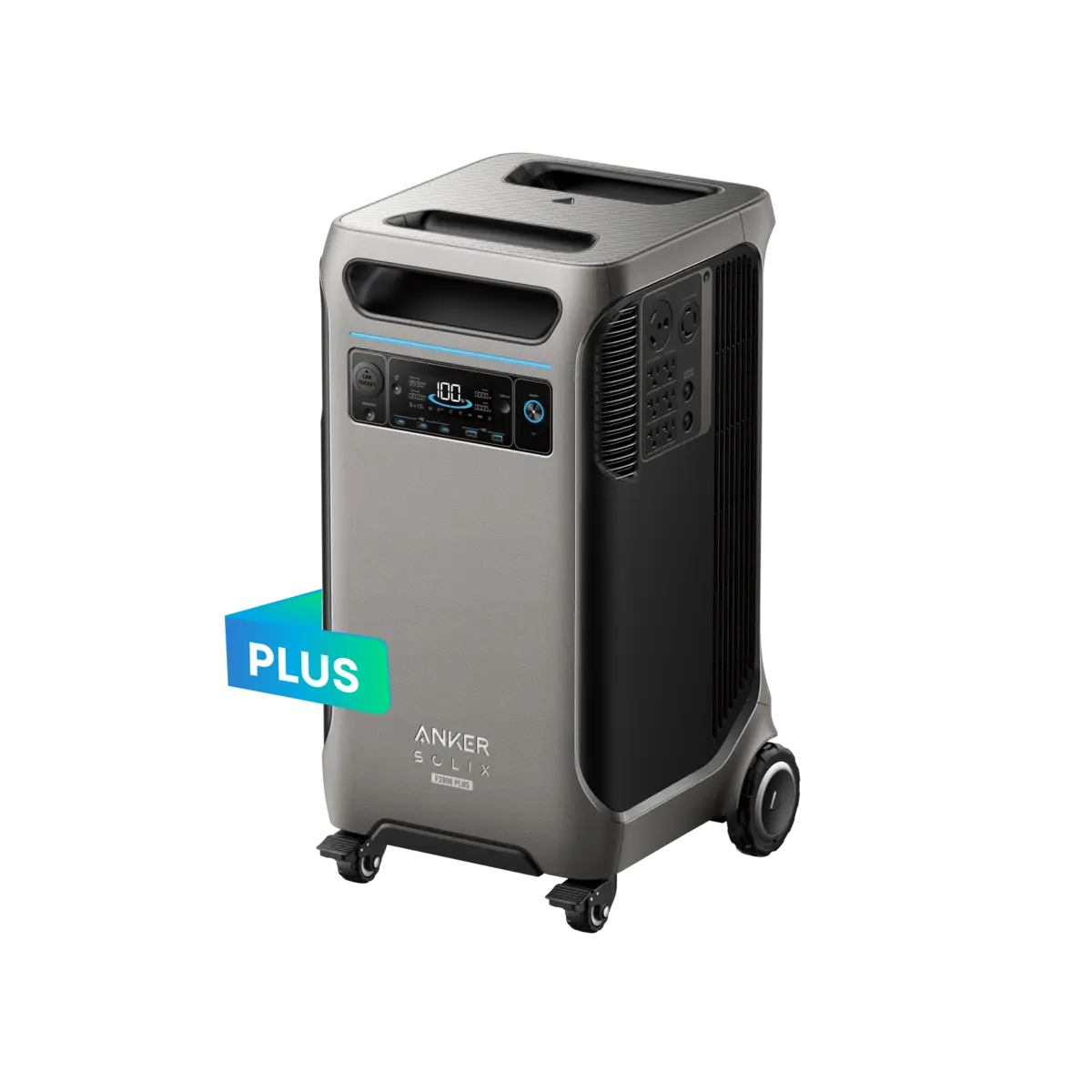
Native 120/240V output, useful mobility, staged battery growth, and multiple home-connection options.
Read full guide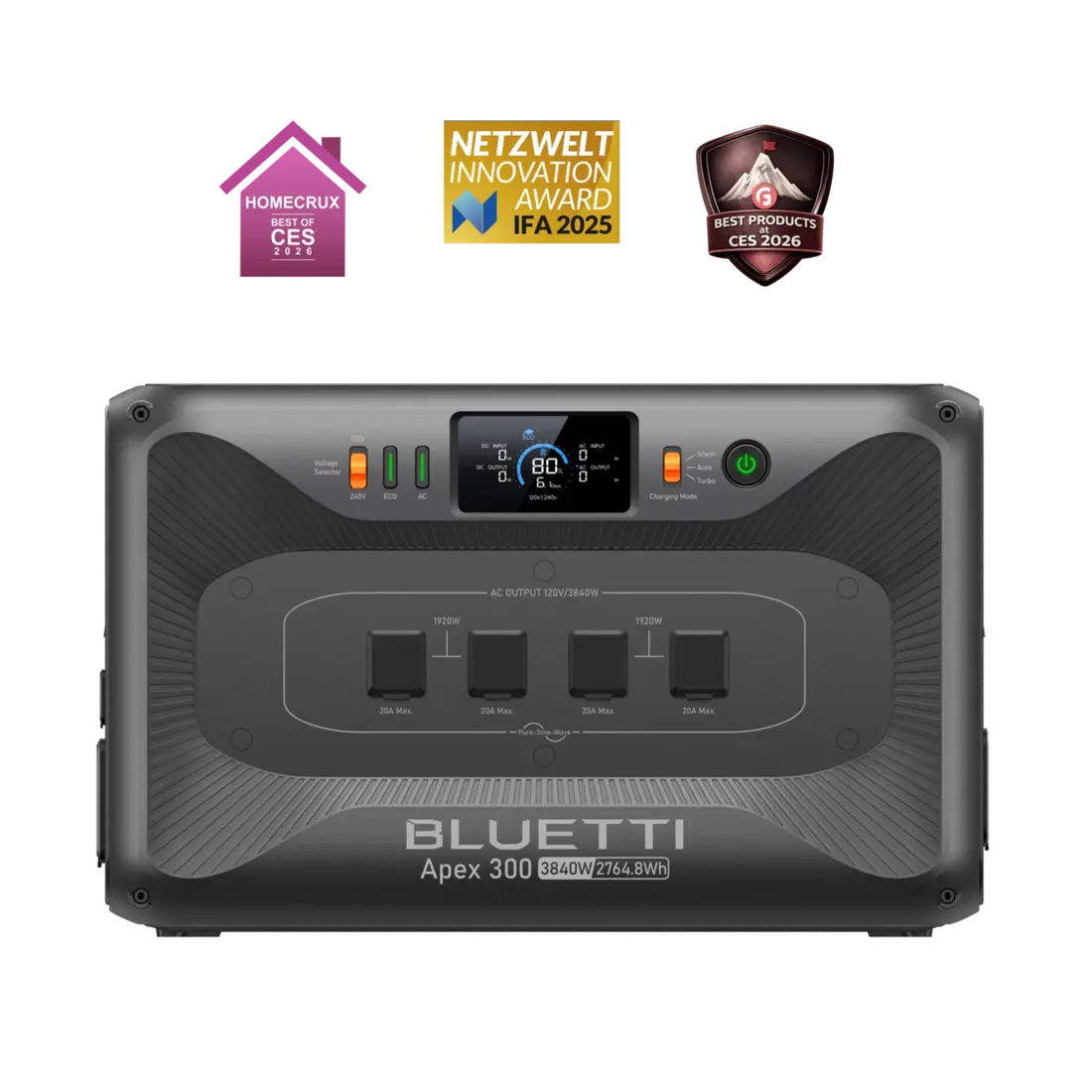
A lower-capacity entry point for plug-in loads, RV use, selected circuits, and future system expansion.
Read full guideHome backup power system comparison
The values below describe either a base unit, a named starting package, or the generator itself. They do not include every battery, gateway, transfer switch, smart panel, fuel component, solar array, and installation item needed for a complete project. Normal continuous output is more useful than temporary boost language when planning household loads.
| System | Starting energy or fuel | Continuous output | 120/240V | Automatic home transfer | Best match |
|---|---|---|---|---|---|
| Tesla Powerwall 3Installed battery | 13.5 kWh per Powerwall 3 | Up to 11.5 kW per unit | Yes, U.S. split phase | Yes, with supported Tesla islanding equipment | Mainstream solar-battery backup with strong one-unit power |
| EcoFlow OCEAN ProInstalled battery | 10 kWh starting storage; up to 80 kWh published | Up to 24 kW published | Yes | Yes, through the installed OCEAN architecture | Large electric homes, broad solar, and high simultaneous demand |
| EcoFlow DELTA Pro Ultra XModular battery platform | 12.288 kWh standard package | 12 kW per inverter; up to 36 kW with three | Yes | Supported with Smart Home Panel 3 or compatible gateway design | Staged battery growth and a flexible path from outlets to panel backup |
| Generac Guardian 26 kWAir-cooled standby generator | No battery runtime figure; energy comes from natural gas or propane | 26 kW on LP; 22.5 kW on natural gas for the cited model | Yes | Yes, with the specified automatic transfer equipment | Long outages where reliable fuel delivery and maintenance are available |
| Anker SOLIX F3800 PlusPortable modular battery | 3.84 kWh per main unit | 6 kW per unit; supported dual systems reach 12 kW | Yes | Depends on the selected home panel and configuration | Essential circuits, portable use, and gradual battery expansion |
| BLUETTI Apex 300Portable modular battery | 2.7648 kWh per base unit | 3.84 kW per unit; larger systems require multiple units | Yes, in supported configurations | Depends on home-integration hardware | A smaller entry point for selected loads with future expansion |
How we chose the best systems
We evaluated each solution as part of a household design, not as a box on a retail page. A complete backup system has five layers: loads, inverter or generator power, stored energy or fuel, safe transfer equipment, and a recovery plan. A weakness in any one layer can make a powerful system unsuitable.
Continuous output and motor starts
We considered normal AC output, 120/240V capability, current limits, and whether the system can start compressors, pumps, and HVAC equipment without treating a marketing boost mode as continuous power.
Usable runtime and expansion
Base storage was separated from maximum ecosystem capacity. We also considered daily energy, reserve settings, inverter losses, cold-weather behavior, and how additional batteries change the project.
Transfer and circuit control
We looked at automatic transfer, gateways, backup switches, smart panels, critical-load panels, and direct outlets. A system connected to household wiring must have an approved isolation method.
Solar, grid, and generator charging
Long outages are recovery problems. We considered whether a system can accept useful solar, recharge from the grid rapidly, coordinate with a generator, and preserve a reserve for overnight loads.
Installation and service
Permitting, contractor access, local service, maintenance, environmental limits, warranties, and replacement paths matter because backup equipment may sit unused until the worst possible day.
Right-sized rather than oversized
A quiet 3 to 5 kWh station may be better than a large installed system for an apartment. A standby generator may be better than a finite battery for a rural property with recurring multiday failures.
Tesla Powerwall 3
Powerwall 3 is our strongest mainstream battery choice because one unit combines meaningful storage with unusually strong household output. Tesla’s U.S. datasheet lists 13.5 kWh of nominal battery energy, configurable AC output up to 11.5 kW, 120/240V split-phase operation, and a 185 LRA load-start rating. That gives one unit a credible chance of supporting a broad essential-load panel and some carefully verified larger motors.
The integrated solar inverter is a major advantage when the project includes new rooftop solar or a compatible redesign. Tesla lists support for up to 20 kW DC of solar on one Powerwall 3, although array design, string voltage, clipping, local interconnection, and inverter configuration still belong to the installer. The system can also be deployed with Tesla’s supported islanding devices, including Gateway 3, Backup Switch, or Backup Gateway 2 depending on the project.
Its main limitation is the same one that applies to every high-output battery: 11.5 kW of power is not 11.5 hours of runtime. A house using 2 kW continuously would consume 48 kWh per day. One 13.5 kWh battery cannot sustain that demand without aggressive load reduction or daytime solar recovery. Powerwall 3 supports up to four powered units and additional Expansion units, but every step changes cost, footprint, wiring, charging power, and the permitting plan.
Why it stands out
Strong one-unit output, integrated solar support, automatic backup, substantial motor-start capability, a clean installed architecture, and an established app and installer ecosystem.
Know before choosing it
Runtime is finite, installation is not a do-it-yourself project, and compatibility with an existing solar system or utility program must be verified before the design is finalized.
Best for: Homeowners who want quiet automatic backup, are adding or already use solar, need solid 120/240V capability, and prefer a conventional installed battery rather than movable modules.
EcoFlow OCEAN Pro
OCEAN Pro is the high-demand choice for a large electrified home. EcoFlow publishes up to 24 kW of continuous output, a 205A locked-rotor start rating, 10 to 80 kWh of storage, and up to 40 kW of solar input. Those are system-level figures for an installed home-energy platform, not the specifications of a small portable product.
The broad input and output envelope makes OCEAN Pro relevant when a project includes multiple HVAC systems, a pool pump, electric water heating, large rooftop solar, or an EV charger. Its multi-source concept can coordinate the grid, solar, batteries, supported portable generators, and EcoFlow equipment. Generator-assisted charging is particularly useful during a long cloudy outage because it allows a fuel source to restore battery reserve rather than forcing the generator to follow every small overnight load.
That strength also creates the biggest caution. A 24 kW headline does not describe every quote. The exact power-conversion module, battery count, gateway, protected-load arrangement, solar design, communications, and local approvals define the delivered system. A homeowner should request a single-line diagram, a circuit schedule, modeled runtime, supported generator details, warranty responsibilities, and a written service plan before accepting the proposal.
Why it stands out
Very high published output, large storage growth, extensive solar input, generator-supported recovery, and an architecture designed for demanding whole-home projects.
Know before choosing it
This is an installer-led project with substantial configuration risk. The maximum platform specifications should never be mistaken for the exact equipment in a proposal.
Best for: Large homes with high peak demand, broad solar potential, frequent outages, and an owner willing to commission a detailed, professionally installed energy project.
EcoFlow DELTA Pro Ultra X
DELTA Pro Ultra X occupies the space between a giant portable power station and a fixed home battery. Its standard configuration contains two 6.144 kWh battery modules for 12.288 kWh. One inverter supplies 12 kW of 120/240V output, provides direct 120V and split-phase outlets, and accepts up to 10 kW of solar input. EcoFlow lists up to ten batteries per inverter for 61.44 kWh and up to three parallel inverters for a much larger installed system.
This is the best modular route for a homeowner who wants to begin with direct outlets or selected circuits and later add batteries, panel integration, or more inverter power. Smart Home Panel 3 can bring automatic transfer and circuit control. The built-in outlets also preserve flexibility for maintenance, RV use, or a temporary cord-based plan that a conventional wall battery does not offer.
The system is movable in modules, but it is not light. EcoFlow lists the inverter near 70 lb and each battery above 110 lb. A multi-battery installation needs a stable location, environmental protection, cable access, clearance, and a plan for servicing heavy components. The published 12 kW output also depends on the supported battery arrangement. Buyers should confirm exactly how many batteries are included and what connection is required to produce full power.
Why it stands out
High one-inverter output, native split phase, direct outlets, serious solar input, a large battery expansion path, and optional smart-panel integration.
Know before choosing it
The modules are heavy, the five-year published warranty is shorter than many fixed home batteries, and maximum system claims require considerable additional hardware.
Best for: Owners who want high-output battery backup now, expect to expand later, and value both direct connections and a supported path to integrated household circuits.
Generac Guardian 26 kW
A standby generator solves the one problem batteries cannot solve by themselves: runtime is not capped by the energy stored at the beginning of the outage. A Generac Guardian system can start automatically, transfer the home away from the utility, and continue operating while an adequate natural-gas or propane supply remains available. The 26 kW class is relevant to larger homes, but the correct generator may be smaller after load management and motor-start analysis.
Generac’s published material identifies the 26 kW Guardian as an air-cooled residential standby generator with its own compatible transfer systems. The company lists natural gas and liquid propane operation, remote monitoring on supported configurations, and less than 5 percent total harmonic distortion. Actual electrical output can differ by fuel and exact model, so a proposal must state the rating on the selected fuel, not simply repeat the largest number in the model name.
The tradeoffs are fuel dependency, noise, exhaust, exercise cycles, oil service, starting-battery maintenance, and placement restrictions. A generator must remain outside, away from doors, windows, vents, and other openings, and it must meet the manufacturer’s instructions and local rules. Natural-gas service may be interrupted during some disasters, while a propane tank provides visible onsite reserve but requires space and refilling.
Why it stands out
Automatic high output, long runtime with an adequate fuel supply, mature installer availability, and a familiar transfer-switch architecture for whole-home or managed-load backup.
Know before choosing it
It produces exhaust and noise, needs regular maintenance, depends on fuel, and cannot be placed indoors or near openings. Local service quality is a major part of ownership.
Best for: Homes with repeated multiday outages, reliable natural-gas service or substantial propane storage, large heating or pumping loads, and access to qualified local generator service.
Anker SOLIX F3800 Plus
F3800 Plus is the best match when the homeowner wants native 120/240V output, direct outlets, a wheeled main unit, and a path to selected household circuits without beginning with a full wall-mounted battery project. One unit provides 6 kW of output and 3.84 kWh of storage. Supported dual-unit configurations can increase power and battery capacity substantially, but the base package remains a short-duration system until extra batteries are added.
That distinction makes F3800 Plus easy to misunderstand. Six kilowatts can operate several essential loads and some 240V equipment, yet 3.84 kWh is modest energy. A 1 kW average demand could consume the nominal capacity in under four hours, with real runtime shortened by conversion loss and reserve. It becomes a more resilient home system when battery expansion, useful solar, and a deliberate panel connection are included.
It is also a better fit than a fixed battery for households that want the unit to serve multiple roles, such as home emergencies, RV power, workshop use, or temporary backup at another property. Home integration still requires the correct Anker equipment or an electrician-designed transfer arrangement. A high-power cord should never be improvised into a dryer outlet or used to backfeed the utility.
Why it stands out
Strong base output, native split-phase power, useful mobility, expandable storage, direct outlets, and several routes to essential-circuit or home-panel backup.
Know before choosing it
The 3.84 kWh base battery is small relative to the inverter, and the biggest capacity and output claims require extra batteries, a second unit, and additional integration equipment.
Best for: Essential-load backup, selected 240V equipment, owners who want staged expansion, and households that value a system that can still be moved and used away from the panel.
BLUETTI Apex 300
Apex 300 offers the smallest starting battery in this shortlist, but it is not limited to small-system ambitions. The base unit combines 2.7648 kWh of LFP storage with 3.84 kW of normal output. BLUETTI publishes supported configurations scaling power to 11.5 kW and storage to roughly 58 kWh through multiple main units, batteries, hubs, and home-integration hardware.
The base unit makes sense for refrigerator, internet, lighting, television, device charging, selected medical equipment, and similar essentials. It can also serve an RV or off-grid role. Buyers who need a well pump, central air, or many circuits must evaluate the exact 120/240V arrangement, parallel hardware, battery count, outlet limits, and home-integration kit rather than assuming the base unit reproduces the maximum platform result.
Apex 300 is especially attractive for someone who wants to purchase only the capacity needed now and preserve a broad upgrade path. The disadvantage is system complexity. BLUETTI’s ecosystem includes different batteries, hubs, solar controllers, and parallel accessories. Confirm which components work together, which modes provide 120/240V, and whether the installer will service the entire system after commissioning.
Why it stands out
Lower starting capacity, strong output for its energy class, LFP chemistry, direct use away from the home, and an extensive supported expansion ecosystem.
Know before choosing it
The base battery will not provide long whole-home runtime, and maximum power or capacity requires several expensive and configuration-sensitive components.
Best for: Buyers who want to cover a focused essential-load plan today, use the system for more than one location, and retain a credible path to a larger home or RV configuration.
Should you choose a battery, generator, or hybrid system?
Choose a battery when quiet automatic backup matters
A home battery transfers quickly, operates without exhaust, can preserve internet and electronics with little interruption, and may also support solar self-consumption or time-of-use savings. It is the strongest architecture for short and moderate outages, urban or suburban homes, solar-equipped properties, and locations where generator noise or fuel storage is undesirable.
The limitation is stored energy. A battery begins the outage with a fixed reserve. Solar can replenish it, but daily harvest varies with season, cloud cover, snow, shading, array orientation, and whether the solar system is designed to operate while the grid is down. A battery must be sized from daily energy, not only peak watts.
Choose a standby generator when outage duration is unpredictable
A standby generator is usually the stronger choice for repeated multiday failures, especially when a property must operate a well, sump pump, heating equipment, refrigeration, and other large loads regardless of sunlight. Runtime depends on fuel rather than a starting battery. Automatic transfer also makes it practical for a property that may be unattended when the utility fails.
The generator needs maintenance, safe outdoor placement, fuel planning, and periodic exercise. It is not emissions-free or silent. A natural-gas connection can simplify long operation, but gas pressure and availability must be checked. Propane makes reserve visible and independent of a pipeline, but tank capacity, cold-weather vaporization, delivery access, and refill timing matter.
Choose a hybrid when short and long outages both matter
A hybrid system can use a battery for instant transfer, quiet nights, small loads, and daily solar management, then operate a generator only when the battery reaches a defined threshold. This reduces generator hours and lets the generator run at an efficient charging load instead of following a refrigerator cycling on and off. It also preserves power if one energy source is temporarily unavailable.
Hybrid designs are more complex. The generator, battery inverter, transfer equipment, solar, and control logic must be intentionally compatible. “Generator ready” can mean anything from a manual charging inlet to fully automated start and stop. Require the proposal to state what happens at low battery, how the generator starts, what it powers directly, and whether the system can recover from zero state of charge.
How much backup power and runtime do you need?
Start with a circuit and appliance inventory. Record normal watts, motor-start demand, voltage, expected hours of use, and whether each load is essential. A utility bill can estimate whole-home energy, but it does not reveal motor startup or the exact circuits that must operate together.
| Backup tier | Typical loads | Planning demand | Energy focus | Likely architecture |
|---|---|---|---|---|
| Core communications | Router, phones, laptops, a few LED lights | Usually low hundreds of watts | 1 to 3 kWh may cover many hours | Small or mid-size portable power station |
| Essential household loads | Refrigerator, freezer, internet, lights, television, selected outlets | Often below 2 kW running, with compressor starts | 3 to 10 kWh depending on duration | Expandable portable system or critical-load battery |
| Essential circuits plus pump | Core loads plus well, sump, furnace blower, or small 240V equipment | Voltage and motor-start demand become critical | Daily use often exceeds a small base battery | 120/240V battery, portable-to-panel system, or generator |
| Managed whole home | Most circuits with large loads scheduled or automatically controlled | Roughly 8 to 15 kW can be relevant | 13.5 to 40+ kWh depending on discipline | Installed battery, larger modular system, or standby generator |
| High-demand whole home | Multiple HVAC units, electric heat or water heating, pool, EV charging | May exceed 20 kW if unmanaged | Large daily energy and recovery requirement | High-output installed system, load management, generator, or hybrid |
Use a conservative battery runtime formula
For a first estimate, multiply nominal battery capacity by a delivered-energy factor, then divide by the average load:
Runtime in hours = nominal watt-hours × planning efficiency ÷ average load in watts
A planning efficiency around 0.80 to 0.90 can account for inverter loss and other overhead, but actual results change with temperature, load level, battery reserve, aging, standby consumption, and system mode. For example, 13,500 Wh × 0.85 ÷ 750 W gives about 15.3 hours before allowing for an extra emergency reserve. It does not mean every home with a 13.5 kWh battery receives that runtime.
Use the home backup calculator for a load-based estimate, then check the battery runtime calculator for a specific average demand. Motor loads must still pass the starting-power test separately.
Installation, transfer equipment, and safety
Directly plugging appliances into a battery is different from energizing home circuits. Any system connected to household wiring needs a safe method to isolate the home from the utility during an outage. Depending on the architecture, that may be a backup gateway, automatic transfer switch, manual transfer switch, critical-load panel, listed interlock, smart electrical panel, or manufacturer-specific home panel.
Never connect a generator or battery to a dryer receptacle to energize the house. Improvised backfeeding can energize utility lines, injure line workers, damage equipment, and create fire risk. A cord-based inlet must be installed with approved transfer or interlock equipment and sized for the source, cable, overcurrent protection, and intended circuits.
Fuel-burning generators belong outdoors. CPSC guidance warns that portable generators can create deadly carbon monoxide within minutes and should be operated outside, far from the house, with exhaust directed away from windows, doors, vents, and other openings. A standby generator also requires manufacturer-compliant clearance, gas work, electrical work, permits, and inspection.
Large batteries require environmental planning too. The installer should verify permitted placement, temperature range, flood exposure, vehicle impact, fire separation, working clearance, communication signal, emergency shutdown, and access for replacement. Local rules and the authority having jurisdiction control the actual project.
-
1
Create the protected-load schedule.
Name every circuit, voltage, running load, motor-start requirement, and priority. Do not begin with a brand quote.
-
2
Choose the transfer architecture.
Decide whether you need direct outlets, selected circuits, a critical-load panel, managed whole-home backup, or a hybrid battery-generator design.
-
3
Model the target outage.
Calculate daily energy, maximum simultaneous power, motor starts, required reserve, available solar, and realistic fuel or recharge access.
-
4
Compare complete installed proposals.
Include batteries, inverter, gateway, panel work, fuel work, solar equipment, permits, commissioning, monitoring, maintenance, and warranty responsibility.
-
5
Test the finished system under load.
Verify transfer, motor starts, circuit priorities, app alerts, low-battery behavior, generator coordination, shutdown, and manual operation before storm season.
How to choose the right home backup system
1. Decide what “whole home” means
Some proposals use “whole-home backup” to mean that the system is connected at the service and can energize every circuit. That does not guarantee every circuit can run at the same time or for the full outage. Ask for the maximum backed-up power, the controlled or shed loads, and the modeled daily energy. A managed whole-home design can be excellent, but it is not unlimited power.
2. Separate must-run loads from comfort loads
Refrigeration, internet, medical equipment, sump pumps, well pumps, furnace controls, and safe lighting often belong in the first tier. Central air, electric cooking, clothes drying, pool equipment, resistance heat, and EV charging can dominate both output and runtime. A system that automatically pauses nonessential loads may deliver better resilience than a larger battery with no priorities.
3. Verify every 240V motor
Record the nameplate voltage, running current, and locked-rotor or starting requirement for well pumps, compressors, and HVAC equipment. Soft starters and load management can help some projects, but they must be compatible with the appliance and approved by the equipment manufacturer and installer. Do not assume a 240V outlet alone proves that a motor will start.
4. Plan the second and third day
The first night uses stored energy. The second day tests the recovery plan. Estimate conservative seasonal solar rather than ideal panel output. For generators, calculate fuel consumption at realistic load and verify onsite supply or pipeline capacity. For a hybrid system, document the battery threshold that starts charging and the time required to rebuild the overnight reserve.
5. Compare proposals, not product names
Ask every bidder to quote the same protected-load schedule and target outage. The proposal should identify model numbers, battery count, usable storage, continuous and motor-start power, transfer equipment, solar and generator inputs, trenching or gas work, permits, commissioning, monitoring, labor warranty, manufacturer warranty, and future expansion cost. A lower equipment price can become the more expensive project after necessary integration is added.
6. Choose a service path before an emergency
Find out who answers if the system does not transfer during an outage. Confirm whether service is performed by the installer, a local dealer, or the manufacturer. Keep manuals, serial numbers, the single-line diagram, breaker schedule, maintenance log, shutdown steps, and support contacts in both digital and printed form.
Frequently asked questions
What is the best home backup power system overall?
Tesla Powerwall 3 is our best mainstream installed-battery choice because it combines 13.5 kWh of storage with up to 11.5 kW of continuous output, strong motor-start capability, solar integration, and automatic backup. It is not automatically best for every home. Generac Guardian is stronger for fuel-supported multiday runtime, OCEAN Pro suits unusually high demand, and DELTA Pro Ultra X offers greater modularity.
Is a home battery better than a generator?
A battery is quieter, has no onsite exhaust, transfers quickly, and can work with solar. A generator can run much longer when fuel remains available and may support high demand with less battery capacity planning. The better choice depends on outage duration, fuel access, solar potential, noise restrictions, maintenance tolerance, and the loads that must remain powered.
How many kilowatt-hours does a house need for backup?
There is no single house number. A disciplined essential-load plan may use 4 to 8 kWh per day, while an all-electric home with air conditioning, water heating, cooking, and EV charging can use several times more. Build a daily energy budget from actual appliances, then add conversion losses, reserve, cold-weather allowance, and the target number of hours before recharge.
Can one 13.5 kWh battery run a whole house?
It may supply the power required to energize many circuits, but runtime depends on consumption. At an average 2 kW load, 13.5 kWh of nominal energy is less than seven hours before losses and reserve. With carefully managed essentials averaging 500 W, it can last much longer. “Can run” and “can run for the entire outage” are separate questions.
Can a home battery run central air conditioning?
Some systems can, including properly configured Powerwall 3, OCEAN Pro, DELTA Pro Ultra X, and other high-output platforms. The installer must verify the HVAC running load, locked-rotor demand, soft-starter compatibility, other simultaneous loads, battery count, and expected cooling energy. Starting the compressor does not guarantee acceptable overnight runtime.
Do solar panels work during a power outage?
Only when the solar system has equipment designed to isolate from the grid and operate in backup mode. Many grid-tied solar arrays shut down during an outage for utility-worker safety. A compatible inverter, gateway, battery, and commissioning design can keep selected solar production available, subject to sunlight, battery state, and equipment limits.
Is 120/240V output necessary?
It is necessary if the backup plan includes a U.S. split-phase 240V load such as many well pumps, central air conditioners, electric ranges, dryers, or EV chargers. A 120V-only system can still cover refrigerators, internet equipment, lights, electronics, and many medical devices. Check the exact appliance nameplate instead of guessing from appliance type.
Can I install a whole-home backup system myself?
Directly plugging appliances into a listed portable battery can be a homeowner task when the manual permits it. Connecting a source to household wiring, installing transfer equipment, working on service conductors, adding a standby generator, running gas piping, or connecting high-voltage solar requires qualified work, permits, and inspection under local rules.
How long can a standby generator run?
Runtime is governed by fuel availability, maintenance requirements, load, ambient conditions, and the manufacturer’s operating guidance. A natural-gas generator can continue while adequate gas service remains available. A propane generator is limited by tank capacity and vaporization. Extended operation still requires monitoring, oil checks, and scheduled service.
Should I combine a battery with a generator?
A hybrid system is valuable when you want instant quiet backup for short outages and a fuel-based recovery source for long ones. It can reduce generator hours and preserve battery reserve through cloudy periods. Use only a documented compatible design that defines transfer, charging power, automatic start behavior, low-battery thresholds, and operation if communications fail.
Continue planning your home backup system
Specification sources and review basis
Specifications and product imagery were reviewed against current official U.S. manufacturer material on July 24, 2026. Product bundles, firmware, supported accessories, warranties, and ratings can change. Confirm the exact model and configuration before purchase or installation. Product images are supplied by their respective manufacturers and are shown for identification.
- Tesla Powerwall 3 U.S. datasheet
- EcoFlow OCEAN Pro official product information
- EcoFlow DELTA Pro Ultra X specifications
- Generac Guardian 26 kW specification sheet
- Anker SOLIX F3800 Plus official product information
- BLUETTI Apex 300 official product information
- U.S. Consumer Product Safety Commission carbon-monoxide guidance
Start with your loads, not the logo
List the circuits that must survive the outage, measure their voltage and starting demand, choose the target runtime, and identify how the system will recover. Once those requirements are fixed, compare complete configurations that meet them. That process usually produces a smaller, safer, and more reliable shortlist than choosing from headline capacity alone.
Last specification and image review: July 24, 2026. This guide uses manufacturer-published values and a configuration-aware homeowner evaluation framework. It does not substitute for an electrical load calculation, site inspection, fuel assessment, permit review, or professional installation design.